Real Estate Experts in DC, MD & VA

News

housing predictions
Housing Trends

Home Prices Rose the Most in These Cheaper Cities—and Came Down in These Pricier Ones

The temperature may be dropping, but it’s not cooling off high home prices in much of the country.

Prices rose in 82% of the housing markets in the third quarter of this year, according to the National Association of Realtors®. That was compared with 58% in the previous quarter.

Single-family home prices ticked up 2.2% from last year, to reach $406,900 in the third quarter. The higher price tags are on top of mortgage rates that briefly surpassed 8% this fall and a severe shortage of homes for sale.

The result is homebuyers who can find a home for sale that meets their needs are footing a larger monthly bill. Someone buying a home today is likely to spend nearly 20% more than they would have just a year earlier largely due to higher mortgage rates. They needed to earn at least $100,000 a year to afford a down payment in nearly half, 45.7%, of housing markets.

“The housing market shouldn’t be accessible only to those who are paying in cash nor become a playground for the wealthy,” NAR Chief Economist Lawrence Yun said in a statement.

The report looked at existing, single-family homes in 221 metropolitan areas in the third quarter of the year.

The markets with the largest price increases

Traditionally cheaper housing markets in the Midwest notched some of the largest price gains.

Home prices in Fond du Lac, WI, soared the most, with prices increasing 18.9% year over year. The median list price for homes in the metro was $307,400 in October, according to Realtor.com® data. (This includes new construction.)

The metro was followed by Hickory, NC, at 17.1%; Oshkosh, WI, at 15.2%; Green Bay, WI, at 14.8%; and Reading, PA, at 14.7%.

Rounding out the top five were Newark, NJ, at 14.3%; Dayton, OH, at 13.7%; Fort Wayne, IN, at 12.9%; Farmington, NM, at 12.7%; and Kankakee, IL, at 12.6%.

The markets where prices fell the most

“Following the big price changes during the last several years, it’s natural to witness momentary swings in prices,” Yun said. “Some markets that experienced sizable home price gains since 2020 have turned lower, resulting in temporary relief for prospective homebuyers. Also, a few markets in the West that experienced price declines in the prior quarter have seen prices rise again.”

Meanwhile, home prices fell the most in some of the markets that experienced the largest run-up in prices during the COVID-19 pandemic.

Home prices dropped by 10.3% in Austin, TX, the capital of Texas. The metro was followed by Phoenix, at -1.5%; Salt Lake City, at -1.2%; Dallas, at -1.1%; and Houston, at -1.1%.


5 Things You Should Never Say When Renting an Apartment
Renting

5 Things You Should Never Say When Renting an Apartment


Even if you have the cash, you’re not always an automatic lock for that dream rental. Because somewhere in the process of winning over the landlord with your charm and proving you’re a responsible adult, you could accidentally say something that will completely sabotage your chances of landing that great apartment.

Sure, we know you’d never tell a potential landlord something crazy, like that you plan to paint the entire apartment jet black or set up a cannabis brownie production line in the kitchen. But you still might unwittingly make some comments that—surprise!—take you out of the running.

So know what to say—and what not to say—before you ever do a walk-through. Certain things are better left unsaid, such as…

‘I hate my current landlord’

Every potential landlord is going to ask why you’re moving.

Tread lightly.

Never tell a new landlord you hate your former landlord, or the maintenance staff, leasing office staff, or anyone else—even if they’re the slummiest slumlords who ever existed. You could have the best reason in the world for finally ditching that horrible apartment, but a new landlord won’t know if that’s true.

“If an applicant has a bad attitude about their current property—even if for legitimate reasons—the landlord could perceive the applicant as high maintenance,” says Kaycee Wegener, marketing director for Rentec Direct. “A complaining renter requires a lot of energy from landlord.”

Instead, Wegener recommends a neutral response such as “I’m looking for more space” or “I want to live closer to my office.”

‘Let me ask you one more question’

You’re going to be living there for at least a year, so it makes sense to ask some questions about the rental, the community, and the management. But don’t go overboard.

“If you ask about everything under the sun, you’ll automatically be assumed to be a complainer,” says Chrisoula Papoutsakis, an agent with TripleMint in New York and a landlord.

So how do you know how many questions veer into “too many” territory? Start by considering what you’re asking, and how relevant it is. You want to know if the countertops are a heat-safe material? That’s reasonable. But asking whether the floors are the original hardwood or laminate is probably overkill. And try to limit the time you spend on your inquisition. Keeping the landlord at the walk-through for an hour won’t win you a spot on the short list.

‘I can’t wait to get a puppy’

If you’ve been dreaming of adding a new Portuguese water dog to the family, you probably want to make sure the rental you’re considering is pet-friendly. But don’t reveal more than you need to about your plans to make your place into a pet palace.

“Even if pets are allowed at the property, your future landlord will not be as excited as you about the idea of a puppy,” Wegener says. “Puppies can cause substantially more damage than an older pet.”

It’s perfectly fine to confirm the pet policy with the landlord and mention you’re considering adding a pet in the future, but don’t push it. You’ll have a better chance of getting approval for yourself and your future pup if you wait until after you’ve lived in the place for a while and proven how responsible you are.

‘My partner works right up the street’

Unless you’re planning on moving in together (and being on the lease together), leave your significant other out of the conversation—at least initially.

“If you are planning to be the only person on the lease, do not talk about your boyfriend, girlfriend, or partner,” Wegener says. “A significant other who is not on the lease is a red flag to the landlord that the partner will be staying at the property a lot.”

From a liability standpoint, this is a landlord’s worst nightmare (although the cannabis brownie thing comes close). Let’s say your significant other—or even a friend or family member who needs a place to crash for a bit—isn’t on the lease. The landlord can’t screen them properly and won’t know their criminal or work background. And if your guest punches a hole in the wall or plays drums all night long, the landlord has no real grounds to evict them or collect damages.

‘I move all the time’

One of the greatest things about being a renter is the freedom. You can pick up and move any time the lease is up. But that isn’t such a great thing for landlords. When tenants move, it costs landlords money to acquire a new one. They want someone who is going to stick around for a few years.

If you’re a serial mover or planning on being in the rental for a short term, beware of introducing yourself with that information. Wait until you make your plans—and fulfill your lease agreement—to bring your landlord into the loop.

“A good first impression [for a renter to give] would be that they’re looking for longevity and that they would treat the apartment as their home,” Papoutsakis says. Circumstances can always change, so you’re not on the hook to stay longer than your lease, whatever you initially said your plans would be.

7 Massive Mistakes Homeowners Make When They Move
Moving

7 Massive Mistakes Homeowners Make When They Move

Whether you struck oil—black gold, Texas tea—and are moving to posh Southern California (that’s a reference to “The Beverly Hillbillies,” you millennials!) or maybe you’re making a cross-country migration to work for TikTok (okay, everyone knows what TikTok is), there’s a lot to think about when pulling up stakes and settling in a new place.

Sure, moving is exciting. But a whole lot can go wrong, too.

So no matter your reason for relocating, beware of these top mistakes people make. Check out this list, and brace yourself for some tough decisions.

Mistake #1: Renting out your old home badly…

Sure, it seems smart to hold on to your old place just in case. It’s also nice to collect rent! But that’s the best-case scenario; you need to also consider the worst.

“Renting out a home can be a great investment—if you know what you’re doing,” says real estate investor Mark Ferguson of Investfourmore.com. “The problem is, many people have no idea how to manage renting a home—like collecting rent and checking on tenants.”

Other landlord duties include maintenance, managing vacancies, and anticipating expenses. “Landlords have to account for monetary outlays beyond what the rental payment covers, so some houses won’t make money as rentals,” adds Ferguson.

To avoid this pitfall, ensure you have a plan to manage your home remotely and that you can afford to keep paying the mortgage between tenants.

Mistake #2: Selling your home prematurely

Robert Palmer, host of the syndicated Saving Thousands Radio Network, talks up the opposite of renting.

“Selling years from now is going to net you more money than selling today, and someone else will have made the [mortgage] payments for you,” says Palmer. “This helps you build wealth.”

The key is the right tenant, like a friend or somebody you know. Bottom line: If your home is in a hot market like Los Angeles or New York City, it might be impossible to buy back into the market should you ever decide to return to it. Which happens more than you might think.

“In LA, it’s not uncommon for rental amounts to be more than the mortgage payments,” says Terra Andersen, director of Internet marketing at apartment-rental company NMS Properties. In that case, it might be more wise to rent out your home as a revenue stream and a fallback option.

Mistake #3: Muddling a mortgage on a new home

If you’re relocating for a new job and want to buy a home before you start working, be sure to structure your employment agreement to avoid issues with lenders.

While an executed offer of employment can serve as documentation to qualify for a new mortgage, many lenders will require proof that all the offer contingencies have been met as well, says Mary Catchur, president of Marimark Mortgage.

A solution is to work with a mortgage loan originator licensed in the state you’re relocating to and develop a plan to fulfill those requirements, “preferably before finalizing the new job offer,” says Catchur.

Mistake #4: Storing stuff for “someday”

Tempted to leave behind lots of your possessions to transport months or maybe years after you’re settled?

If you’re certain a relocation is permanent, it’s best to move everything right away.

“From a realistic standpoint, it’s easy to forget about items in storage,” points out Christine Haney, executive vice president of Global Relocation at Elliman Real Estate. “When my father was transferred to Europe, my parents stored their 1970s gold, brown, and green furniture. When they returned eight years later, their now-retro furniture had no place in their new home!”

Mistake #5: Expecting your stuff to arrive ASAP

If you do pack up and send off everything all at once, don’t push it too close to the day you start a new job or endeavor, expecting all your possessions to arrive at one time.

“It can take a few days, if not a week or two, for all your belongings to arrive at your new home, due to weather or road shutdowns,” says Ryan Carrigan, co-founder of moveBuddha.

So pack a starter kit with whatever essentials you need for a week, and always keep important documents with you.

Mistake #6: Not getting schooled on schools

“Some people move into a district without checking out the schools,” says Alina Adams, who works in school admissions in Manhattan.

What’s worse, she says, is when people move to a neighborhood with a great school without realizing that it has no more room. So play it safe: Call the school district or private school you want to find out if you can enroll your child. (Or search online for your school district.)

Mistake #7: Ignoring your new home’s layout

Often relocators try to replicate the exact same old living environment in a home with a completely different layout.

“Sometimes this can actually add to the stress, especially when the former lifestyle can’t be replicated,” says Haney. “The most successful moves I’ve seen is when families embrace the change.”

So welcome a new environment to go with your new move. You’ll be glad you did.

Minimize Your Flood Risk
Home Improvement

Minimize Your Flood Risk: 7 Effective Preparedness Tips

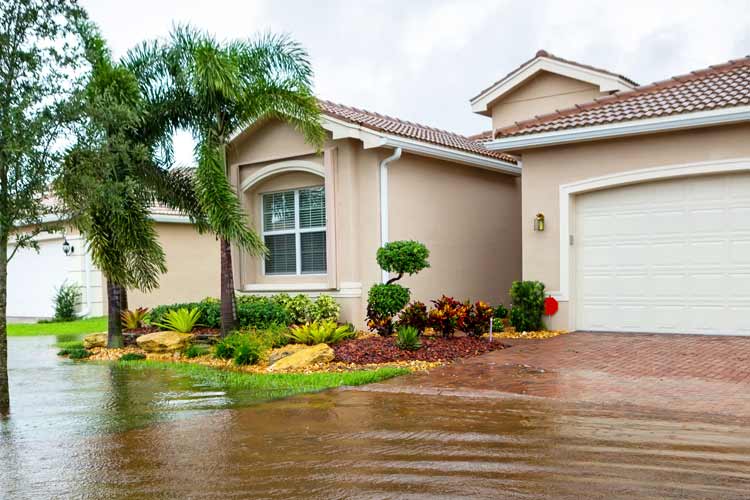
Floods pose significant risks to both property and personal safety. Implementing proactive measures can substantially reduce these risks. Here, we present seven essential flood preparedness tips to safeguard your home and family.

1. Understanding Flood Risks

To effectively mitigate flood risks, it’s crucial to comprehend the potential risks in your area. Research local flood zones, historical flood data, and vulnerability assessments to gauge your property’s susceptibility.

2. Create a Comprehensive Emergency Plan

Developing a detailed emergency plan ensures preparedness during flood situations. Establish evacuation routes, emergency contacts, and a communication strategy. Regularly review and practice this plan with all household members.

3. Secure Valuables and Essential Documents

Safeguard valuables and vital documents by storing them in waterproof containers or secure, elevated areas. Consider digital backups for important documents to ensure accessibility during emergencies.

4. Elevate Utilities and Electrical Systems

Raise critical utilities and electrical systems above potential flood levels. Utilize water-resistant materials and elevate electrical sockets to prevent water damage during flooding incidents.

5. Invest in Flood Insurance

Consider acquiring flood insurance even if your property isn’t in a high-risk area. Standard homeowner’s insurance often doesn’t cover flood-related damages, making dedicated flood insurance a prudent investment.

6. Implement Structural Modifications

Execute structural modifications to fortify your property against potential flood damage. Install check valves in plumbing systems to prevent backflow and explore construction materials that resist flood impacts.

7. Stay Informed During Flood Warnings

Stay vigilant and informed about local weather forecasts and flood warnings. Adhere to instructions from local authorities and evacuate if necessary. Continuously monitor news updates and radio broadcasts.

Implementing these seven flood preparedness tips significantly enhances your ability to withstand and recover from flood-related risks. It’s critical to proactively mitigate potential damages and prioritize safety in the face of natural disasters.

"Some DIY projects are better left to professionals.
Home Improvement

DIY Projects Best Left to Professionals: Protect Your Home & Safety

Undertaking DIY projects can be tempting, offering a sense of accomplishment and potential cost savings. However, certain projects carry substantial risks that could jeopardize your home’s integrity and compromise safety. Here’s a guide to DIY projects you should approach with caution or avoid altogether.

1. Electrical Work

Electrical projects can be hazardous without proper knowledge and training. Altering electrical systems, wiring, or installations pose severe risks of electrical shock, fire hazards, or code violations. Seek licensed electricians for such tasks.

2. Structural Changes

Altering the structural integrity of your home, including load-bearing walls or foundations, demands precision and expertise. Mistakes here could compromise the stability of your home, risking collapse or damage.

3. Roofing Repairs or Replacement

Working on roofs is perilous and requires specific safety measures. Incorrect repairs or installations might result in leaks, compromised structural integrity, or safety hazards. Professional roofers are better equipped to handle such tasks.

4. Plumbing Projects

Plumbing repairs or installations entail intricate knowledge of systems and materials. Improper installations could lead to water damage, leaks, or even mold issues. Hiring a licensed plumber mitigates these risks.

5. Gas Appliance Repairs

Dealing with gas appliances involves inherent risks of gas leaks, fire hazards, or carbon monoxide exposure. Qualified professionals should handle repairs, installations, or adjustments involving gas appliances.

6. Tree Removal

Removing large trees demands expertise to avoid property damage or personal injury. Mishandled removals can cause property damage, injury, or even fatalities. Hire certified arborists or tree removal specialists.

7. Foundation Repairs

Foundation work requires in-depth knowledge of structural engineering. Errors in foundation repairs can destabilize the entire structure, leading to costly damages. Always consult professionals for foundation-related issues.

Conclusion

While DIY projects offer a sense of empowerment, certain tasks carry substantial risks to both your home and personal safety. Opting for professionals ensures quality work, minimizes risks, and preserves the integrity of your home.

8 Effective Energy Saving Tips
Home Improvement

8 Effective Energy Saving Tips for Reducing Heating & Cooling Bills

In an era focused on sustainability and cost-efficiency, optimizing energy consumption isn’t just environmentally responsible but also economically savvy. Here are eight actionable tips to efficiently cut your heating and cooling bills.

1. Programmable Thermostats for Precision

Install programmable thermostats to regulate temperatures based on your schedule. Adjusting settings when you’re away or asleep can significantly reduce energy usage without compromising comfort.

2. Seal Air Leaks

Identify and seal air leaks around windows, doors, and vents using weather stripping or caulking. Properly insulated homes retain temperature, reducing the workload on heating and cooling systems.

3. Regular HVAC Maintenance

Schedule routine maintenance for your heating, ventilation, and air conditioning (HVAC) systems. Cleaning or replacing air filters and conducting professional tune-ups ensures optimal efficiency.

4. Upgrade to Energy-Efficient Systems

Consider replacing old HVAC systems with energy-efficient models. Energy Star-certified appliances consume less energy, resulting in substantial long-term savings.

mermaid
graph TD;
A[Old HVAC System] -->|High Energy Consumption| B[Energy-Efficient System]
B -->|Lower Energy Usage| C[Savings on Bills]

5. Utilize Natural Ventilation

Take advantage of natural ventilation by opening windows strategically to allow fresh air circulation. This helps maintain comfortable indoor temperatures without relying solely on mechanical systems.

6. Proper Insulation

Insulate attics, walls, and basements to minimize heat transfer. Adequate insulation prevents heat loss during winter and keeps interiors cooler in summer, reducing the need for continuous heating or cooling.

7. Smart Use of Curtains and Blinds

Utilize curtains and blinds effectively. Closing them during hot periods blocks sunlight, reducing heat absorption, while opening them during colder times allows sunlight to naturally warm your space.

8. Behavioral Changes for Energy Savings

Implement simple behavioral changes like using ceiling fans in conjunction with the thermostat, adjusting clothing layers indoors, and reducing the thermostat setting by a degree or two.

Implementing these energy-saving strategies not only reduces heating and cooling costs but also contributes to a more sustainable lifestyle. By making informed choices, you can enjoy comfort while minimizing environmental impact and saving significantly on energy bills.

Signs Your Home Is Vulnerable to a Break-In
Home Improvement

Signs Your Home Is Vulnerable to a Break-In: What to Watch For

When it comes to home security, awareness is key. Understanding the indicators that suggest your home might be at risk of a break-in is crucial for taking proactive measures to protect your property and loved ones.

1. Unlocked Entry Points

One of the most obvious signs is unlocked doors or windows, especially when they’re easily accessible from the outside. Burglars often look for these opportunities to gain entry quickly.

2. Poorly Lit Areas

Dimly lit exteriors or dark corners around the house serve as ideal hiding spots for potential intruders. Insufficient lighting increases the risk of a break-in.

3. Overgrown Landscaping

Overgrown bushes or trees near the house provide cover for burglars to hide while attempting to break in. Trim back foliage to eliminate potential hiding spots.

4. Visible Valuables

Valuables in plain sight through windows, such as expensive electronics or jewelry, can attract unwanted attention. Ensure these items aren’t easily visible from the outside.

5. Lack of Security Measures

Homes without visible security measures, such as cameras, alarms, or signs indicating a security system, are often seen as easier targets.

6. Neglected Maintenance

A neglected property can signal to potential burglars that the house might be unoccupied, making it a more attractive target.

7. Social Media Oversharing

Posting vacation plans or sharing too much about your absence on social media can inadvertently alert potential burglars that your home might be vacant.

Conclusion

Being aware of these signs is the first step in enhancing your home’s security. Addressing these vulnerabilities can significantly reduce the risk of a break-in and provide peace of mind.

What Is an Origination Fee
Finance

What Is an Origination Fee, and How Much Does It Cost?

Understanding Origination Fees:

An origination fee is a common charge imposed by lenders during the loan application process. It’s essentially a fee for initiating and processing a new loan. Understanding its components and costs is crucial for borrowers navigating the loan landscape.

The Nature of Origination Fees:

Origination fees are designed to cover various administrative costs incurred by lenders when originating a new loan. These expenses include processing paperwork, conducting credit checks, underwriting the loan, and administrative tasks associated with setting up the loan.

How Much Does It Cost?

The cost of an origination fee typically varies based on the lender, loan type, and the amount being borrowed. Generally, it is calculated as a percentage of the total loan amount. Origination fees commonly range from 0.5% to 1% of the loan amount, but this can vary.

For instance, on a $300,000 mortgage, a 1% origination fee would amount to $3,000. Borrowers often have the option to pay this fee upfront or roll it into the loan amount, resulting in increased overall borrowing costs.

Key Points about Origination Fees:

  • Inclusions: Origination fees cover a range of services related to loan initiation, including administrative tasks, application processing, credit checks, and obtaining necessary reports.
  • Distinction from Closing Costs: It’s important to note that origination fees differ from closing costs. Closing costs encompass various fees involved in finalizing a mortgage, whereas origination fees are specifically for initiating the loan.
  • Negotiability: In some cases, borrowers might negotiate origination fees with lenders or explore loans with lower or waived origination fees, especially if they have strong credit or are willing to accept slightly higher interest rates.

Conclusion:

Understanding origination fees is crucial for borrowers entering the realm of loans. It’s an essential component to consider when evaluating the overall cost of borrowing. Being informed about these fees enables borrowers to make informed financial decisions and navigate loan options effectively.

If you want to read more information about how to boost traffic on your Website, just visit The Insider’s Views

How to Get Rid of PMI
Finance

How to Get Rid of PMI: Tips to Ditch Private Mortgage Insurance Fast

Understanding Private Mortgage Insurance (PMI)

Private Mortgage Insurance (PMI) is a financial safeguard for lenders, often required when the down payment on a home is less than 20% of the property’s value. It’s an additional monthly cost that protects the lender in case the borrower defaults on the loan. While PMI serves a purpose, homeowners typically seek ways to eliminate this cost as swiftly as possible.

Strategies to Eliminate PMI Quickly

1. Aggressive Payment towards Mortgage Balance

Aim to pay more than the required monthly mortgage payment. Even small additional contributions to the principal can accelerate the reduction of your mortgage balance, helping reach that coveted 20% equity threshold sooner.

2. Leverage Home Appreciation

If property values in your area have risen, it might have increased the equity in your home. Consider getting an appraisal to demonstrate increased home value, potentially reaching the 20% equity required to eliminate PMI.

3. Make Timely Requests

Once your home equity reaches or surpasses 20%, initiate a conversation with your lender regarding the elimination of PMI. Understand their criteria for removal and promptly follow their procedures.

4. Keep Track of Payments and Credit Score

Maintain a strong payment history and work on improving your credit score. A better credit rating can significantly impact your ability to eliminate PMI.

5. Refinancing as an Option

Explore refinancing options when your home equity reaches 20%. Refinancing could offer a new loan without PMI, though it’s essential to assess associated costs before deciding.

Importance of Eliminating PMI

While PMI serves a purpose, eliminating it can save homeowners significant money over the life of their loan. Lower monthly payments and reduced interest costs are substantial benefits.

Conclusion

Getting rid of Private Mortgage Insurance is a feasible goal for homeowners seeking to reduce their housing expenses. Implementing strategic financial moves, monitoring home equity, and timely communication with lenders are key steps in eliminating PMI faster.

Got Mortgage Rate Resentment?
Finance

Got Mortgage Rate Resentment? Here’s How To Cope & Get a Lower Rate

Feeling frustrated by your mortgage rate? Here are some tips to manage that resentment and potentially secure a lower rate:

  1. Research and Compare: Don’t settle for the first rate you see. Research different lenders, their rates, and terms. Comparing multiple offers gives you leverage in negotiating a better rate.
  2. Improve Your Credit Score: A higher credit score often leads to better mortgage rates. Focus on paying bills on time, reducing debt, and fixing any errors in your credit report to boost your score.
  3. Refinance Strategically: If rates have dropped significantly since you got your mortgage, refinancing could be an option. However, consider closing costs and how long you plan to stay in the home before deciding.
  4. Negotiate with Your Lender: Sometimes, a simple conversation with your lender can lead to a rate reduction. Highlight your loyalty as a customer or mention competitive rates you’ve found elsewhere to negotiate.
  5. Consider Points: Paying points upfront can lower your interest rate over the life of the loan. Evaluate if this upfront cost aligns with your financial situation and long-term goals.
  6. Increase Your Down Payment: A larger down payment can often qualify you for better rates. If possible, consider increasing your down payment to improve your mortgage terms.
  7. Explore Government Programs: Investigate government-backed programs like FHA loans or VA loans that might offer more favorable rates for specific situations, such as first-time buyers or veterans.

Remember, while getting a lower rate is desirable, it’s also crucial to assess the overall cost, including closing fees and the length of time you plan to stay in the home. Each situation is unique, so tailor your approach based on your financial goals and circumstances.