Real Estate Experts in DC, MD & VA

News

How Much Is Enough for a Down Payment?
Finance

How Much Is Enough for a Down Payment?

Buying a house involves more than just finding the perfect property. One crucial aspect is the down payment—the initial amount paid upfront. Understanding how much to put down requires considering various factors, including loan types, financial status, and long-term goals.

Introduction

When aiming to purchase a home, a down payment is the initial payment made toward the property’s total cost. It’s a significant financial step and often a requirement for securing a mortgage. The down payment plays a vital role in determining the loan amount and influencing monthly mortgage payments.

Factors Affecting Down Payment Amount

The amount needed for a down payment can vary based on several factors. Different loan types have specific down payment requirements. Conventional loans typically expect a 20% down payment, but there are alternative options available.

Traditional Down Payment Percentages

For conventional loans, the standard expectation has been a 20% down payment. This percentage historically aimed to avoid private mortgage insurance (PMI), reducing monthly payments and overall interest paid over the loan term.

Alternative Loan Programs

However, not everyone can afford a 20% down payment. Government-backed loan programs like FHA, VA, and USDA offer more accessible options. FHA loans, for instance, allow down payments as low as 3.5%, making homeownership more achievable for some.

Considerations When Deciding the Down Payment

While larger down payments have advantages, such as lower monthly payments and interest rates, they might strain savings. It’s crucial to consider long-term financial goals, affordability, and the impact on monthly finances.

Personal Financial Assessment

A critical step is evaluating personal finances to strike a balance between the down payment and financial stability. Understanding credit scores, debt-to-income ratios, and the impact on loan options is essential.

Impact of Down Payment on Mortgage Insurance

For conventional loans with down payments less than 20%, borrowers often need to pay private mortgage insurance (PMI). This additional cost is a consideration when deciding on the down payment amount.

Guidance on Choosing the Right Down Payment

Ultimately, the right down payment amount depends on various factors, including financial capabilities, loan options, and long-term goals. Striking a balance between a comfortable down payment and future financial health is crucial.

Conclusion

Determining the ideal down payment requires careful consideration of personal finances, loan options, and long-term goals. It’s not just about affordability but also about balancing savings, monthly payments, and financial stability.

FAQs

  1. What’s the minimum down payment required for buying a house?
  2. Do larger down payments always result in lower interest rates?
  3. Can I use gifts or grants for my down payment?
  4. How does a down payment affect my mortgage approval?
  5. Are there down payment assistance programs available for first-time homebuyers?
Home Appraisals 101
Sellers

Home Appraisals 101: 5 Things Appraisers Wish Sellers Knew

Certainly! Here are five key insights that home appraisers often wish sellers knew:

  1. Value Isn’t Just About Decor: Sellers sometimes overemphasize cosmetic aspects when preparing for an appraisal. While aesthetics matter, appraisers focus more on the structural integrity, size, condition, and comparable sales data of the property to determine its value.
  2. Accurate Documentation Matters: Sellers can assist the appraiser by providing accurate documentation of home improvements, repairs, and renovations. This information helps appraisers understand the added value these updates bring to the property.
  3. Comparable Sales Impact Value: Recent comparable sales in the neighborhood significantly influence the appraisal value. Sellers should understand that the appraiser uses these data points to assess the property’s worth. Being aware of local market trends can help manage expectations.
  4. Curb Appeal Is Important: First impressions matter. A well-maintained exterior, landscaping, and overall curb appeal can positively influence the appraiser’s perception of the property. It’s not just about the interior; the external presentation also plays a role in the valuation.
  5. Be Present for the Appraisal: Sellers being available during the appraisal can be beneficial. They can provide pertinent information about the home, answer questions, and highlight specific features or upgrades that might not be immediately evident to the appraiser.

Understanding these aspects can help sellers better prepare for a home appraisal, set realistic expectations, and potentially improve the chances of receiving an appraisal that aligns with their desired value for the property.

Strategic Marketing
Sellers

Strategic Marketing

Certainly! Selling a house often requires strategic marketing and showcasing its unique features. In the case of this particular house, the use of drone photography and inventive angles played a crucial role in the successful sale.

Drone Photography Elevating Presentation:

  1. Aerial Grandeur: The use of a drone allowed for captivating aerial shots, presenting the property in its entirety. This perspective showcased the sprawling grounds, the home’s layout, and the surrounding landscape, providing a comprehensive view that captivated potential buyers.
  2. Showcasing Features: By using the drone, specific features of the property could be highlighted from above. This included expansive lawns, gardens, outdoor amenities like swimming pools or patios, and even unique architectural details that might have gone unnoticed from ground-level shots.

Innovative Angles for Impact:

  1. Unconventional Perspectives: Employing surprising angles with the drone offered a fresh take on showcasing the house. It provided views that were not easily achievable with traditional photography, giving potential buyers a unique and engaging perspective.
  2. Standout Marketing Material: By incorporating these stunning aerial and unconventional shots into the listing, the marketing material stood out significantly. It created a compelling visual narrative that drew attention and made the property memorable in a competitive market.

Driving the Sale:

  1. Increased Interest: The use of drone imagery likely attracted more interest from potential buyers. The striking visuals not only grabbed attention but also piqued curiosity, encouraging people to explore the property further.
  2. Improved Perception: The impressive aerial views and surprising angles showcased the property’s best features, enhancing its perceived value. This might have contributed to a quicker sale or even bidding competition among interested buyers.

In essence, the use of drone photography and inventive angles played a pivotal role in marketing and selling the house. It elevated the presentation, attracted more interest, and portrayed the property in a way that truly set it apart, ultimately contributing to a successful sale.

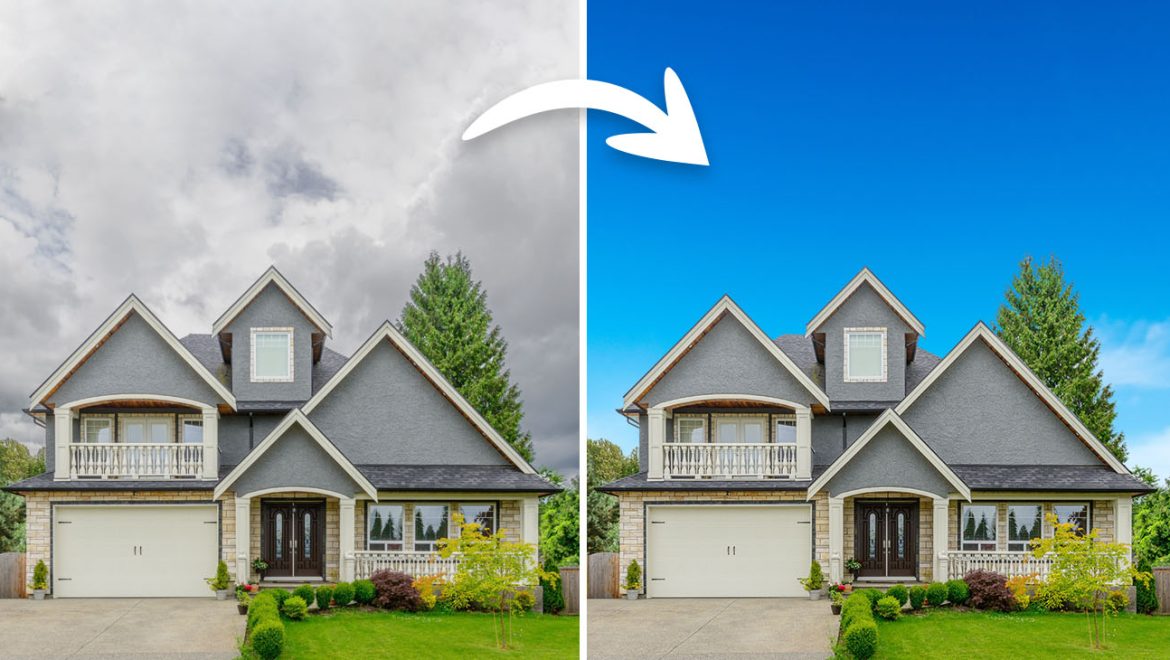
enhance real estate photos
Sellers

7 Tips for Listing Photos That Won’t Give Buyers ‘The Ick’

Certainly! Capturing appealing listing photos is crucial to attract buyers and avoid giving them a negative impression. Here are seven tips to ensure your listing photos are enticing:

  1. Declutter and Depersonalize: Clear out personal items and excessive clutter. A clean, decluttered space allows potential buyers to envision themselves living in the home.
  2. Maximize Natural Light: Natural light can make spaces appear larger and more inviting. Open curtains and blinds, and consider taking photos during the brightest times of the day.
  3. Focus on Key Features: Highlight the best aspects of the home, such as unique architectural details, updated appliances, or spacious rooms. Showcase these features in your photos.
  4. Capture Wide Shots: Wide-angle lenses can make rooms appear more spacious and showcase the flow of the house. Just ensure they accurately represent the space without misleading perspectives.
  5. Highlight Curb Appeal: The exterior matters! Capture appealing shots of the front of the house, a well-maintained yard, and any unique landscaping or outdoor amenities.
  6. Use High-Quality Images: High-resolution, clear photos are a must. Blurry or poorly lit images can turn off potential buyers. Consider hiring a professional photographer if needed.
  7. Show Variety and Details: Include a mix of wide-angle shots and close-ups that highlight specific details. Showcase unique features, textures, or upgrades that set the home apart.

Remember, the goal is to present the property in its best light to attract potential buyers. Professional, well-lit, and thoughtfully composed photos can significantly impact a buyer’s perception of the home.

Home-Selling
Sellers

Are ‘What Ifs’ Paralyzing Your Home-Selling Hopes? Here’s a Reality Check

Absolutely, navigating the ‘what ifs’ can be overwhelming when it comes to selling your home. It’s natural to have concerns about the process and potential outcomes, but getting stuck in these uncertainties can stall progress. Here’s a reality check to help ease those worries:

  1. Market Conditions: While market fluctuations happen, a good real estate agent can provide insights into current trends. Pricing and timing might be affected, but it’s often manageable with the right strategy.
  2. Home Value: Concerns about your home’s value are valid. However, professional assessments and market comparables can offer a realistic picture. Small upgrades or staging can often enhance the perceived value.
  3. Timing: Worried about the right time to sell? It’s a valid consideration, but don’t get too hung up on timing the market perfectly. Personal circumstances, rather than market peaks, often dictate the best time to sell.
  4. Stress of Selling: Selling a home can be stressful, no doubt. But with a reliable real estate agent and a clear plan, it’s easier to manage. They handle the logistics, negotiations, and paperwork, alleviating a significant portion of stress.
  5. Finding the Right Buyer: It’s natural to worry about finding the right buyer. Marketing strategies tailored to your property can attract suitable buyers, and patience often pays off.
  6. Repairs and Upgrades: Necessary repairs or upgrades might seem daunting, but a good agent can advise on what’s crucial for a successful sale without overinvesting.
  7. Moving On: Emotionally detaching from your home can be tough. Take your time, but also focus on the exciting prospects your next chapter holds.
  8.  

Ultimately, while ‘what ifs’ are part of the process, being well-informed and working with professionals can turn these uncertainties into manageable steps toward a successful home sale.

ink
Sellers

Don’t Scare Away Buyers: 6 Things That Give Real Estate Pros ‘The Ick’ About Your Home

Selling Your Home: A Dating Analogy

1. Junk in the Yard

“Curb appeal is a big factor in real estate value,” says Michael W. Barker…

The ick fix: Consider getting a dumpster and clearing out any broken or rotting items from your outdoor area.

2. Dated Wallpaper

“Floral wallpaper might have been the rage once upon a time, but that time isn’t now,” says Ryan Fitzgerald…

The ick fix: Remove outdated wallpaper before putting your house on the market.

3. Too Many Pets

Dog hair on the upholstery or a litter box smell that permeates the house equals the ick…

The ick fix: Consider having pets stay elsewhere temporarily to deep clean your home before an open house.

4. Mismatched Flooring

“Patchwork flooring screams neglect, even if the rest of the house is in tiptop shape,” says Eric Bramlett…

The ick fix: Replace patchwork flooring with new wood flooring for a better impression.

5. Damp Smell

“Ever walked into a place and got hit by an indescribable aroma that’s a mix of old books, dampness, and maybe a hint of something else?” asks Fitzgerald…

The ick fix: Address any dampness issues by calling a professional to fix water intrusions before selling your home.

6. Dirty Grout

“Any organic material on the caulking or grout in a bathroom will have the buyers thinking black mold,” warns Allen…

The ick fix: Clean up the grout and freshen up the caulk before listing your home to improve its appeal.

Understanding mortgage basics
Buyers

Understanding mortgage basics: A comprehensive guide

When it comes to buying a home, understanding the intricacies of mortgages is crucial. Mortgages are complex financial agreements, and having a clear understanding of their components can empower you to make informed decisions. In this guide, we break down the essential aspects of mortgages, from how mortgage calculators can aid your decision-making process to the various types of mortgages available and how to lower your monthly payments. Whether you’re a first-time homebuyer or looking to refinance, this comprehensive resource will help demystify the world of mortgages.

How Can a Mortgage Calculator Help You?

A mortgage calculator is a valuable tool that simplifies the home loan process. By inputting the property’s price, current interest rates, and other factors, a mortgage calculator breaks down your potential monthly payments. This tool helps you determine if a mortgage fits your budget and aids in understanding the affordability of the home you desire. Additionally, you can experiment with different scenarios, such as location and loan types, to see how your choices impact your payments, enabling you to make well-informed financial decisions.

How Are Mortgage Payments Calculated?

Understanding mortgage payments involves grasping the components of PITI: principal, interest, taxes, and insurance. The principal is the borrowed amount, while interest represents the additional percentage lenders charge. Property taxes, funding public services, and insurance to protect your property are also included. Your monthly payment is calculated based on these elements and helps you plan your budget effectively.

How Much of a Down Payment Do You Need?

The down payment is a crucial aspect of mortgage affordability. While 20% of the home’s sale price is ideal, there are options for those with smaller budgets. FHA loans allow a down payment as low as 3.5%, making homeownership accessible for first-time buyers. Veterans can benefit from VA loans, which offer no down payment and lower interest rates. USDA loans are also available in rural areas for buyers with moderate incomes, covering 97% of the U.S. land.

How Do Mortgage Lenders Determine Your Affordability?

Lenders evaluate your finances to determine the mortgage amount you can borrow. They consider your income, assessing its stability and consistency over time. Your debt-to-income ratio, calculated by dividing your monthly debt payments by your gross income, is a crucial factor. Lenders also review your credit score, a numerical rating based on your credit history, to assess your creditworthiness.

Understanding Mortgage Types: Fixed-Rate vs. Adjustable-Rate Mortgages

Mortgages come in various types, each with its pros and cons. Fixed-rate mortgages maintain a consistent interest rate over the loan term, providing predictable payments. On the other hand, adjustable-rate mortgages (ARMs) offer lower initial rates, but the interest rate may fluctuate, impacting your payments. Choosing the right type depends on your financial stability and long-term plans.

How Can You Lower Your Mortgage Payments?

If your monthly payments seem high, there are strategies to lower them. Shopping around for lower interest rates and lengthening the loan term can reduce your payments. Buying points upfront to lower your interest rate is another option, although it requires an initial investment. Increasing your down payment and avoiding private mortgage insurance (PMI) can also lead to more manageable payments. Ultimately, buying a home within your means is the most effective way to lower your mortgage payments.

Common Mortgage Terminology Explained:

  • Bi-weekly mortgage: A mortgage where the borrower makes half of their monthly mortgage payment every two weeks, reducing interest paid over the loan term.
  • Down Payment: A percentage of the purchase price paid upfront by the buyer.
  • Escrow: A legal arrangement where a third party holds money on behalf of the buyer and seller.
  • Extra mortgage payment: Additional payment made toward the mortgage, reducing the loan balance.
  • Homeowners insurance: Property insurance protecting against damage and liability.
  • Home Sale Proceeds: Money left after paying agent commissions and closing costs from a home sale.
  • Loan Amount: Total money borrowed from a lender.
  • Loan-to-value ratio (LTV): Ratio comparing the loan amount to the property’s value.
  • Long-term mortgage: Loan with a longer repayment period, offering stability but higher rates.
  • Lump sum payment: One-time payment toward the mortgage principal.
  • Monthly mortgage payment: Payment comprising principal, interest, taxes, and insurance.
  • Mortgage payment calculator: Tool calculating monthly mortgage payments.
  • Mortgage rates: Interest rate charged on a mortgage.
  • Mortgage refinance: Replacing the current mortgage with a new loan, often for better terms.
  • Mortgage term: Length of time to repay the mortgage loan.
  • Pre-tax amount: Total income before paying taxes and deductions.
  • Short-term mortgage: Loan with a shorter repayment period, offering lower rates but frequent renewals.
10 Essential Questions To Ask When Buying a Home
Buyers

10 Essential Questions To Ask When Buying a Home (That You May Have Missed)

You’ve finally found it: a home you’re swooning over and dying to own. From the exposed ceiling beams to the hardwood floors, this feels like the place.

So what’s next? Don’t just stand there dumbstruck; it’s time to dig deeper and ask questions—and not just the kind that randomly pop into your head, either. You need to hit all of the necessary topics head-on, and some of them are not so obvious.

But you’re in luck: We’ve pulled together a checklist of some of the most important initial questions to ask before you make an offer.

What is the home’s sales history?
When was the last time the house sold, and how much did the current owners pay for it? This is essential intel, and you don’t even have to ask the seller or your real estate agent about it, because it’s posted on every MLS listing.

All you have to do is scroll down to find it. But make sure you know it.

When buying a home, the previous sale price will give you a sense of what the sellers might expect you to pay—but keep in mind that a home’s true market value is based more on what comparable homes are selling for now rather than what it went for in the past, says Los Angeles real estate agent Jennifer Niman of Berkshire Hathaway HomeServices.

Sales history will also show you whether the home’s price has been trending up or down over time, which can help you hone your negotiating stance.

How much are the property taxes?
Property tax history is also typically available right on the listing detail page.

If you can’t find it, ask the seller. You’ll want to find out what previous owners paid, but understand that the property tax, since it’s based on a percentage of the value of the house, will probably be affected by your purchase price.

This could be a huge additional expense, and you’ll need to budget for that when putting together your offer.

What are the monthly maintenance and utility costs?
Is there any type of homeowners association fee? Find out.

Also learn what kind of power the house uses, be it gas, oil, electric, or a combination, and ask what the average monthly bill for each is. Also inquire about water, waste removal, and any other utility costs that are applicable.

Has there ever been a broken pipe? Sewer backup?
This may sound trivial (not to mention unpleasant), but broken pipes can do major damage to your home. If the homeowner doesn’t ‘fess up to past mishaps, a good home inspector can probably find evidence of either one of these situations, so you might want to put these on your list of questions to ask your inspector, too.

How old is the roof?
A new asphalt roofing replacement can run you anywhere from $5,841 and $12,840, according to HomeAdvisor. It would be good to know how soon you might need to lay out that substantial amount of cash.

Have there ever been any pest infestations?
If there was an infestation, when were pest control procedures undertaken? No, this won’t necessarily mean the house is pest-free at the time you’re buying it, but it’s a good starting point to know the history. Many buyers require that termite treatment be included in the price; it’s easiest to tent for pest removal when the house is empty, between owners.

Are there warranties on the appliances, HVAC system, garage door, etc.?
And if so, can the homeowner provide the documentation? Ask for it. This can establish how old these features are, and give you an idea of when they might need to be replaced and how expensive it could be. It will also help you decide whether or not to buy a home warranty.

What are the parking restrictions around the house?
Will guests need parking permits? How many permits are you, as the homeowner, allowed, and can you obtain more if you decide to throw a party? Also, check out the parking situation on the property itself. Will your car(s) fit in the garage? Is there room to park anywhere else on the property other than the driveway?

Does the house have any kind of unusual history?
In many states, owners are legally bound to disclose if a death or major crime has occurred recently on the premises, but there are other circumstances you should be aware of as well. For example: Did anyone famous ever live there? Was it ever used in a film, TV series, or commercial? If so, you might have to deal with fans ringing your doorbell or driving by at all hours of the day or night.

Oh, and if the house has a history of being haunted or paranormally “stigmatized,” you might have a little extra negotiating power when buying a home. (Thanks, ghosts.)

military child reunited with father 1200@2x
Guides & Resources

Veterans guide to buying a home

For veterans, the transition from military life to civilian living often involves finding a stable and secure home for themselves and their families. The prospect of purchasing a home is a significant step, one that comes with its unique set of challenges and advantages. In this guide, tailored specifically for veterans, we aim to provide valuable insights and practical advice to simplify the homebuying process. Whether you’re leveraging VA home loan benefits, exploring housing grants, or simply seeking guidance on navigating the real estate market, this comprehensive resource is designed to assist you every step of the way.

Guide Point: Understanding VA Home Loans and Benefits

One of the most significant advantages for veterans is the availability of VA home loans. These loans, guaranteed by the U.S. Department of Veterans Affairs, offer favorable terms and conditions, making homeownership more accessible. Here’s what you need to know about VA home loans:

  • Eligibility Criteria: Determine your eligibility for a VA home loan based on your military service, discharge status, and length of service. Understanding your eligibility is the first step towards utilizing this valuable benefit.
  • Zero Down Payment: One of the most appealing aspects of VA loans is the ability to purchase a home with no down payment. This feature significantly reduces the upfront financial burden, making homeownership more achievable.
  • Competitive Interest Rates: VA loans often come with competitive interest rates, ensuring that you secure a mortgage with favorable terms, ultimately saving you money over the life of the loan.
  • No Private Mortgage Insurance (PMI): Unlike conventional loans, VA loans do not require private mortgage insurance. This translates to lower monthly payments, allowing you to invest your funds in other essential areas of your life.
  • VA Funding Fee: While VA loans don’t require a down payment or PMI, there is a one-time funding fee. This fee helps sustain the VA loan program for future generations of veteran homebuyers. Understanding the funding fee and its impact on your loan is crucial for budgeting and financial planning.

Navigating the intricacies of VA home loans empowers you to make informed decisions about your mortgage, ensuring that you maximize the benefits available to you as a veteran. By understanding these key points, you’re better equipped to embark on your homebuying journey with confidence and clarity.

First time home buyer guide
Buyers, Guides & Resources

First time home buyer guide

Embarking on the journey to becoming a first-time home buyer is a thrilling but intricate process. From understanding the nuances of the real estate market to securing the right mortgage and navigating the complexities of closing a deal, the path to homeownership can be daunting. In this guide, we will explore the 12 fundamental steps every prospective homeowner should consider. Armed with this knowledge, you can confidently navigate the challenges, make informed decisions, and turn your dream of owning a home into a reality. Whether you’re learning about credit scores, saving for down payments, or preparing for final inspections, these steps are designed to empower you on your quest for your very own piece of the real estate dream. Let’s delve into the essential aspects of first-time home buying, ensuring you’re well-prepared for this significant milestone in your life.

12 Steps for the First Time Home Buyer

1. Educate Yourself: As a first-time home buyer, it’s crucial to educate yourself about the complex process of buying a home. Understanding the terminology, legalities, and market trends will empower you to make informed decisions throughout the journey.

2. Improve Your Credit Score: Your credit score significantly influences your ability to secure a mortgage. Prioritize improving your credit score by paying bills on time, reducing existing debts, and correcting any errors in your credit report. A higher credit score can lead to more favorable loan terms.

3. Save for Down Payment and Closing Costs: Saving for a down payment and covering closing costs are significant financial commitments. Establish a savings plan early on, setting aside a portion of your income to build a fund for these expenses. Research and understand the various costs involved, including appraisal fees, title insurance, and legal fees.

4. Determine Affordability: Calculating your affordability involves more than just considering the mortgage amount. Evaluate your overall financial situation, including income, debts, and expenses. Factor in the down payment, mortgage interest rates, property taxes, insurance, and maintenance costs. This comprehensive approach ensures you choose a home within your financial means.

5. Seek the Help of a Real Estate Agent: While you’ve chosen to exclude realtor-related content, it’s worth mentioning that consulting a real estate agent can still be valuable. Their expertise can guide you through the process, even if you decide not to work with one exclusively.

6. Select Your Dream Home: Identify your needs and preferences when choosing a home. Consider factors such as location, size, layout, amenities, and future resale value. Visit multiple properties, envisioning your lifestyle in each, before making a decision.

7. Make an Offer: Crafting a compelling offer involves researching the market, understanding the seller’s motivations, and negotiating effectively. Your offer should reflect the property’s value while aligning with your budget. Be prepared for counteroffers and maintain open communication with the seller.

8. Understand the Home Appraisal Process: A home appraisal is an objective assessment of a property’s value, conducted by a qualified appraiser. Lenders require this step to ensure the home’s value matches the loan amount. Understanding the factors influencing the appraisal, such as comparable sales and property condition, can help you prepare for this crucial evaluation.

9. Arrange a Home Inspection: A home inspection is your opportunity to uncover any hidden issues within the property. Hire a reputable home inspector to assess the home’s structural integrity, electrical and plumbing systems, and overall condition. Their report will inform your decision-making process and potentially lead to negotiations with the seller regarding necessary repairs.

10. Secure a Home Loan: Research various mortgage options, including fixed-rate and adjustable-rate mortgages. Compare interest rates, loan terms, and fees from different lenders to find the most favorable deal. Pre-approval for a mortgage strengthens your position when making an offer, demonstrating to sellers that you are a serious and qualified buyer.

11. Prepare for Closing Costs: In addition to the down payment, be financially prepared for closing costs. These costs typically include loan origination fees, title insurance, escrow fees, and attorney fees. Request a closing cost estimate from your lender to understand the total amount you’ll need to bring to the closing table.

12. Final Walk-Through: Before finalizing the purchase, conduct a final walk-through of the property. Verify that any agreed-upon repairs have been completed, and the property is in the expected condition. Pay attention to details, ensuring that the home is ready for your move-in.

By following these 12 essential steps, you’ll navigate the intricate process of buying your first home with confidence and expertise, setting the stage for a successful and fulfilling homeownership experience.